
Applying to Japanese universities that offer English-taught degree programs can be both exciting and challenging. One of the most common questions I received as an Admissions Officer was: “How should I prepare for the interview?”
In this article, I’ll share practical advice on preparing for interviews, based on my experience guiding international applicants.
Before the Interview: Application Process
To reach the interview stage, applicants must first submit essential documents such as:
High school transcripts
Certificate of expected graduation
English proficiency test scores (TOEFL, IELTS, etc.)
Statement of Purpose
Some universities conduct a document screening before the interview. Only those who pass this stage are invited to proceed.
Role of the Interviewer
Interviewers review your application documents in advance. Their role is to evaluate whether your profile matches the qualities sought by the faculty.
Consistency is key: make sure your Statement of Purpose aligns with your interview answers.
Two Pillars of Preparation
Interview preparation can be divided into two major areas:
Self-analysis Reflect on your personal history, strengths, weaknesses, and motivations. Think of it as creating your own “manual” that explains who you are.
Program analysis Research your intended faculty, compare it with other universities, and identify its unique characteristics.
Self-Analysis Questions
Ask yourself:
What were my strengths in elementary, middle, and high school?
What volunteer activities have I joined?
What do I enjoy doing, and why?
What positive feedback have I received from teachers or peers?
What are my strengths and weaknesses?
Why do I want to study in Japan?
How do my parents feel about my decision?
What are my career goals after graduation?
Why full-degree study abroad, not just short-term exchange?
How will I finance my studies?
Common Interview Questions
Expect questions such as:
Why this university and this faculty, not another?
What makes this program attractive compared to others?
How did you learn about our university?
Do you understand our admissions policy?
How will your presence benefit our university and classmates?
Are you studying Japanese?
How does your career plan connect with what you will study here?
Will you work part-time during your studies?
Will your parents provide financial support?
Conclusion
Interviews are a bridge between the university and the applicant. To succeed, you must clearly express:
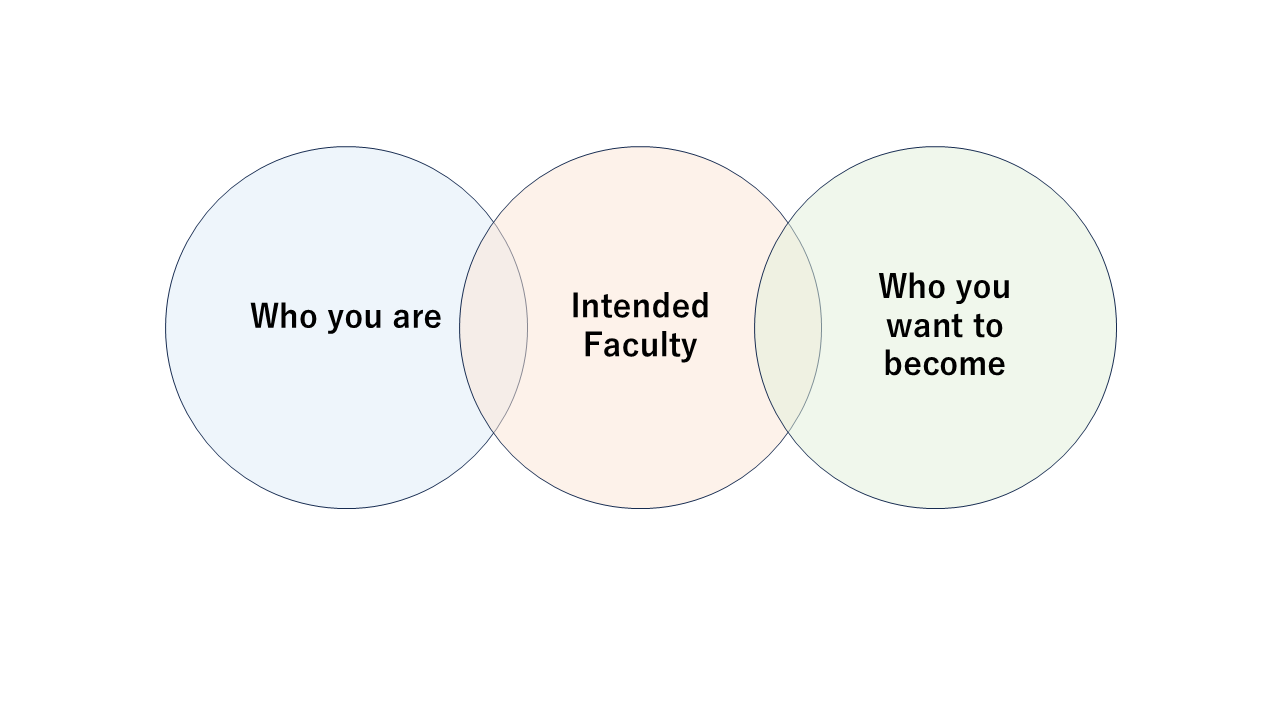
Who you are now (your past experiences and current self)
Who you want to become (your future goals)
Why this specific faculty is the bridge connecting the two
By demonstrating authenticity, self-awareness, and alignment with the university’s mission, you can stand out among many applicants.
(Written by Global University In Japan, International Admissions Consultant)
